
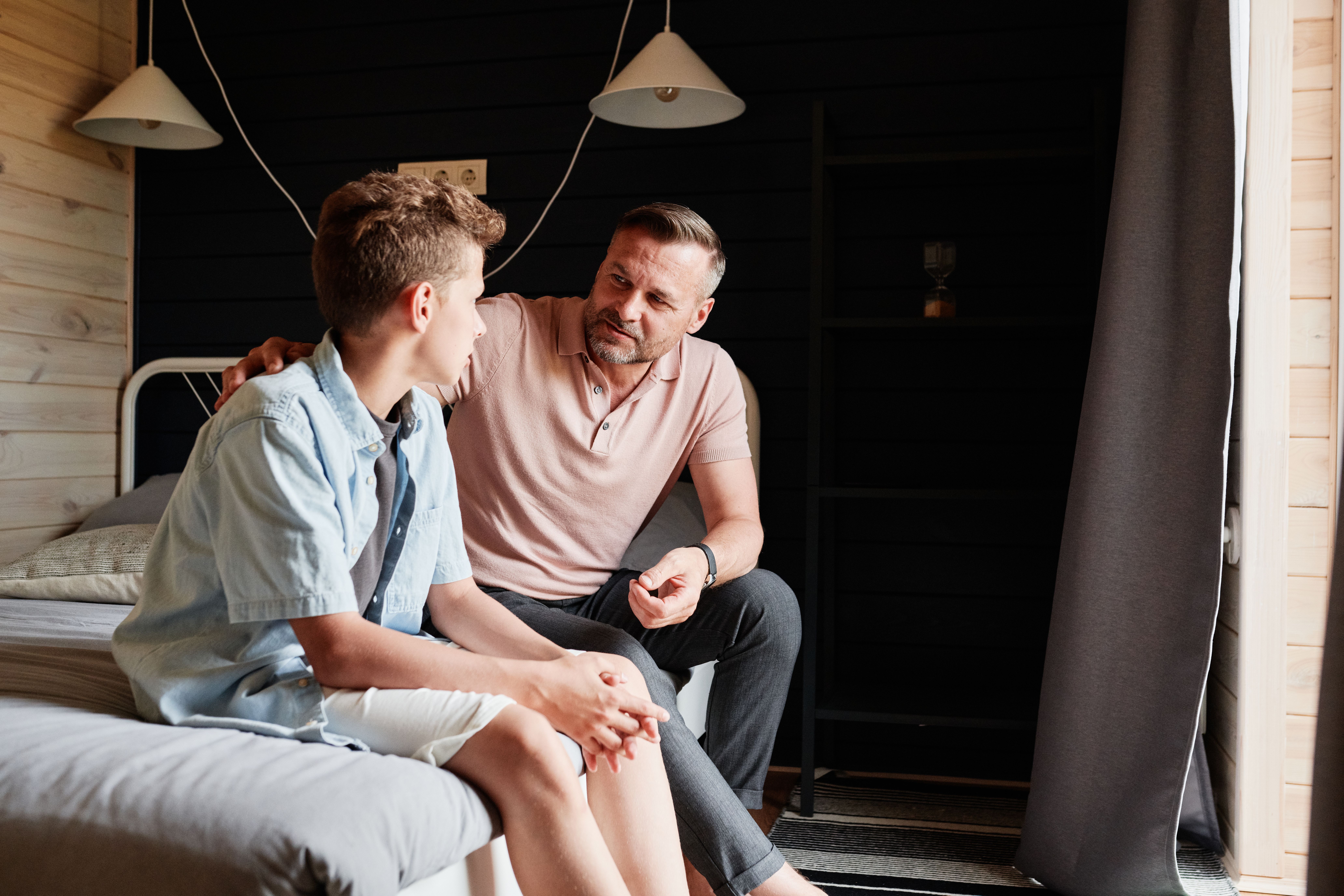
**(trigger warning) The conversation all parents or guardians need to be having with their children right now is about CONSENT.
This week, horrific details emerged about the young woman who was gang-raped for multiple hours at Cornell University in 2024. While this has kicked up a maelstrom of deep collective rage and grief, I’m putting that on a shelf for a moment to focus on what happens next, and what we can do as guardians of the next generation. When we are faced with a moment in society, however difficult and tragic, we find ways to synthesize and digest. In our processing with other adults, we talk about current events and share social media posts. In parenting, a filtering process is required. What is appropriate for my child’s age and developmental stage?
I have a teenage son. My son is on the autism spectrum. A spectrum being what it is, there are varying strengths, abilities, and talents, which are accompanied by a range of delays, sensory needs, behaviors, and challenges. While my friends with same-aged kids are sending their teens off to dances and football games, I acknowledge we are on a different trajectory. Not good, or bad—just different. Dating feels like a long way off, when small social actions and friendships require a lot of adult prompting and coaching. Still, as a parent, I know I have a responsibility to raise my son with the skills and knowledge to prepare him for the world he inhabits.
Last night we had an important conversation about what it means to consent. The first thing in starting a conversation about a topic is to assess the current level of understanding. “Do you know what it means to consent?” I asked. He understood it to mean, “to ask or get permission”.
Next I laid out a series of scenarios. “Imagine you were with a group of kids and they saw a kid sleeping on the couch and decided to mess with him and draw on his face. Did that sleeping kid give consent? How about if a girl were sleeping, and a kid dared you to touch her. Did she give consent?” My son was following along with complete understanding, so I continued on. “What if you were with a group of guys and they were daring you and pressuring you to touch someone. Maybe that person was drunk or passed out and you felt scared of disappointing these other kids. Did you get consent? Would you do it?”
And then this next part is very important. We practiced what consent looks like and sounds like. In the realm of parenting someone with developmental disabilities, there is a practice of rehearsing “social stories”. In this, you imagine a scenario and rehearse how to respond. “What if you were spending time with a person you really liked, and you wanted to kiss them. Do you think it’s ok to just go ahead a do it? How do you get consent?” My son innocently began with, “Hi, my name is…” which was very sweet, so I fast forwarded him to the idea that they had been friends a long time, and were hanging out watching a movie together.
“Now,” I said, “you could say something like, I really like you. Do you think it would be OK if I kissed you?” It is important to include the possibility that the other person might say, “No”. “How do you feel if that person says no? What next?”. Because my son is 16, and I know that he is maturing sexually, I could shape this conversation in a way that felt developmentally appropriate for him. If you have younger children it could be centered around wanting to hug someone. For very young children, consent conversations can even be shaped around sharing a toy.
The learning equation here is both in hearing “No” and saying “No”. We have a responsibility to teach our children to trust their instincts, and to empower them to use their voices. We want them to develop a sense of bodily autonomy, and to feel safety and security. These skills are absolutely required to develop mutual respect and in learning to set healthy boundaries.
If we bring this idea out into real world practice, where are the opportunities for you to practice these skills of saying “no”, gaining consent, accepting a “no,” and experiencing bodily autonomy? This may apply to you as a parent or caregiver, or to you personally. Where do you need to practice your No? What does bodily autonomy look like, and feel like to you?
It was a very heavy week. I hope you are taking some time to settle and process, and to calm your nervous system. Check in with yourself. Check in on someone else and take good care. ❤️
If you are looking for additional resources on this topic, check out this article, “8 Books That Teach Your Kids about Consent, Boundaries, and Body Safety“
Melissa Eppard is a life coach, cancer survivor, and founder of Upstate Mary who helps women move beyond survival mode and reconnect with their bodies, confidence, intimacy, and pleasure. Her coaching blends nervous-system regulation, stress reduction, and compassionate support for navigating life after diagnosis and other major transitions. Curious about working together? Schedule a complimentary 30-minute sample session or learn more at MelissaEppardCoaching.com.
If you or someone you know would like resources or support after sexual assault, check out this recent Upstate Mary blog.


Hello Melissa,Excellent advice. Hoping to see you and your beautiful family soon. ♥️Love,SallySent from my iPhoneOn Oct 2, 2026,